I’m Barbara Pigazzi
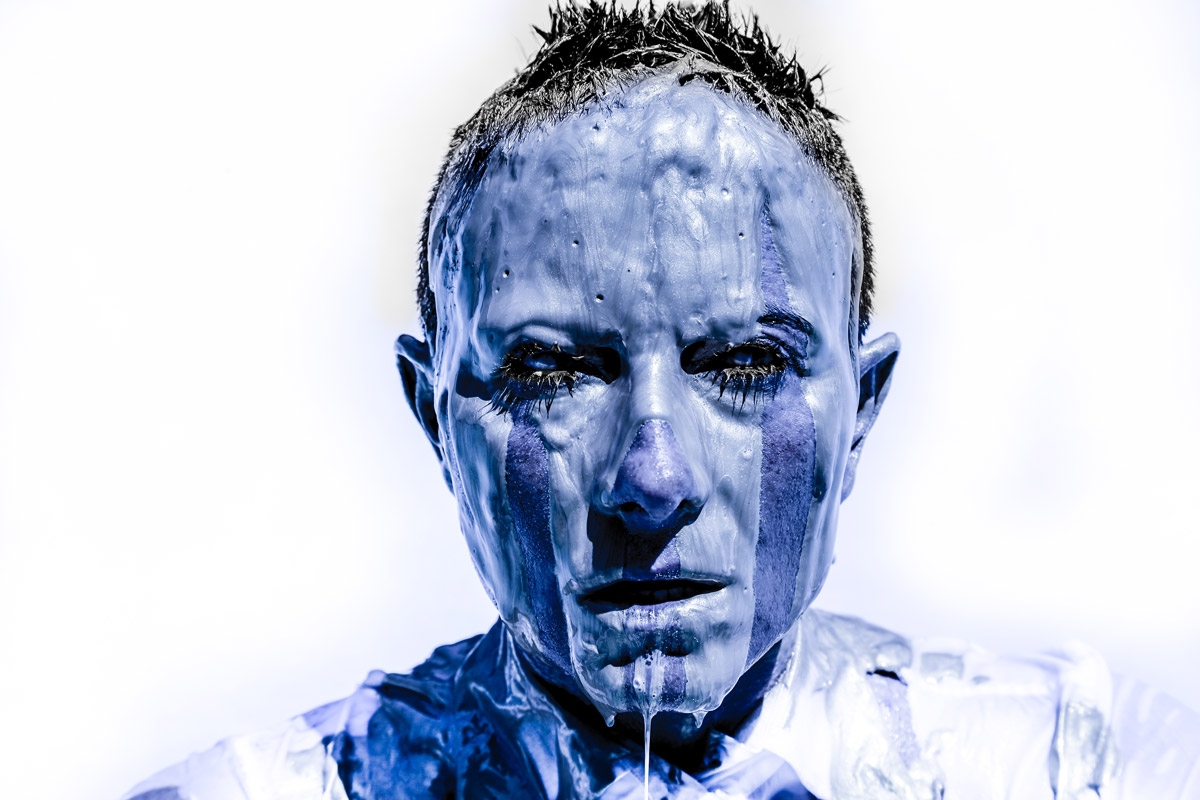
photographer and author, I have been doing photography since I was 9 years old, professionally for 20 years. A job made of sacrifices, love, passion, study, research and a lot of discipline.
Taking photography is a life choice. Art photography is culture and the task of every true artist is to support this philosophy.
Photography is art, every human being is unique and precious and deserves to be honoured, through the memory of the self.
I tell who you are, through who I am. My goal is to inspire every single person I work with to walk away from the photo shoot excited to show up with a renewed sense of confidence in both their personal and professional lives.
This is why I have been supporting the importance of photography for years, as a therapeutic art, acceptance of the self, through honest, sincere, unique and precious portraits.
In 2020 Barbara Pigazzi presented the photographic exhibition Eterea at Palazzo Angeli in Padua, an event organized by the Department of Culture of the Municipality and curated by Enrica Feltracco, with an introductory review by Massimiliano Sabbion.
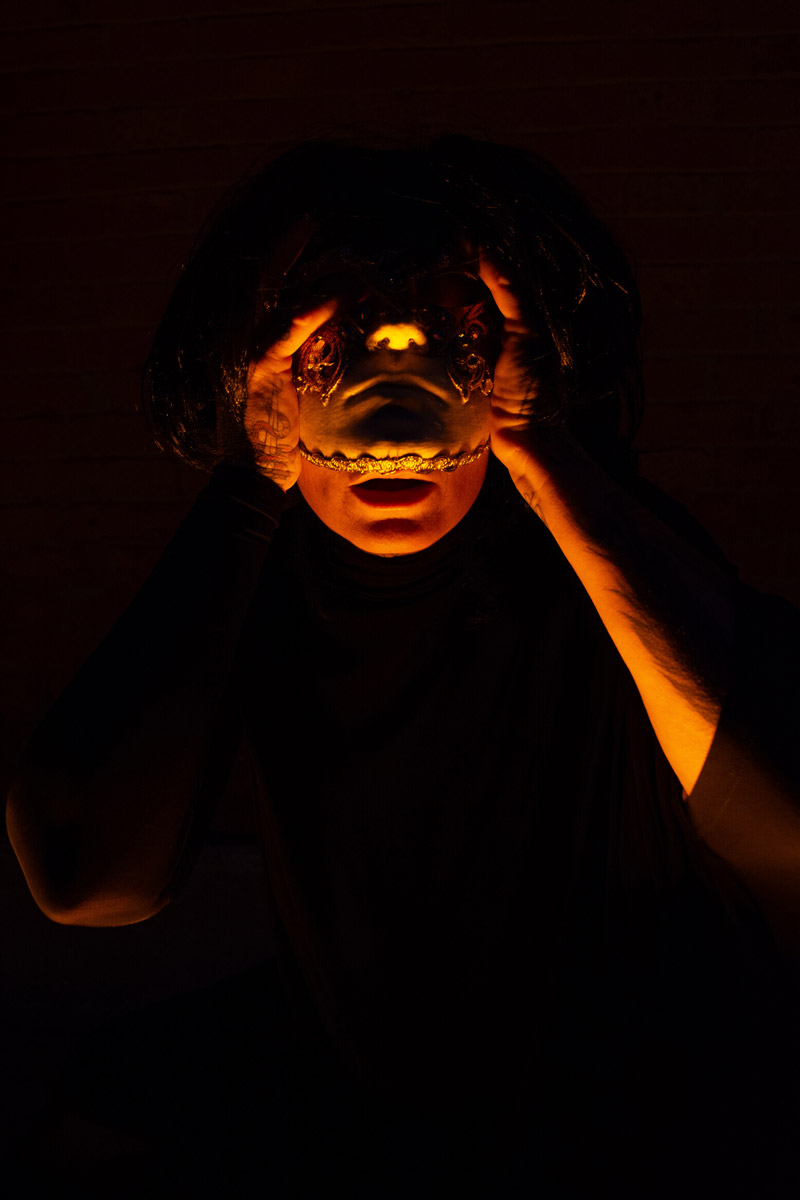
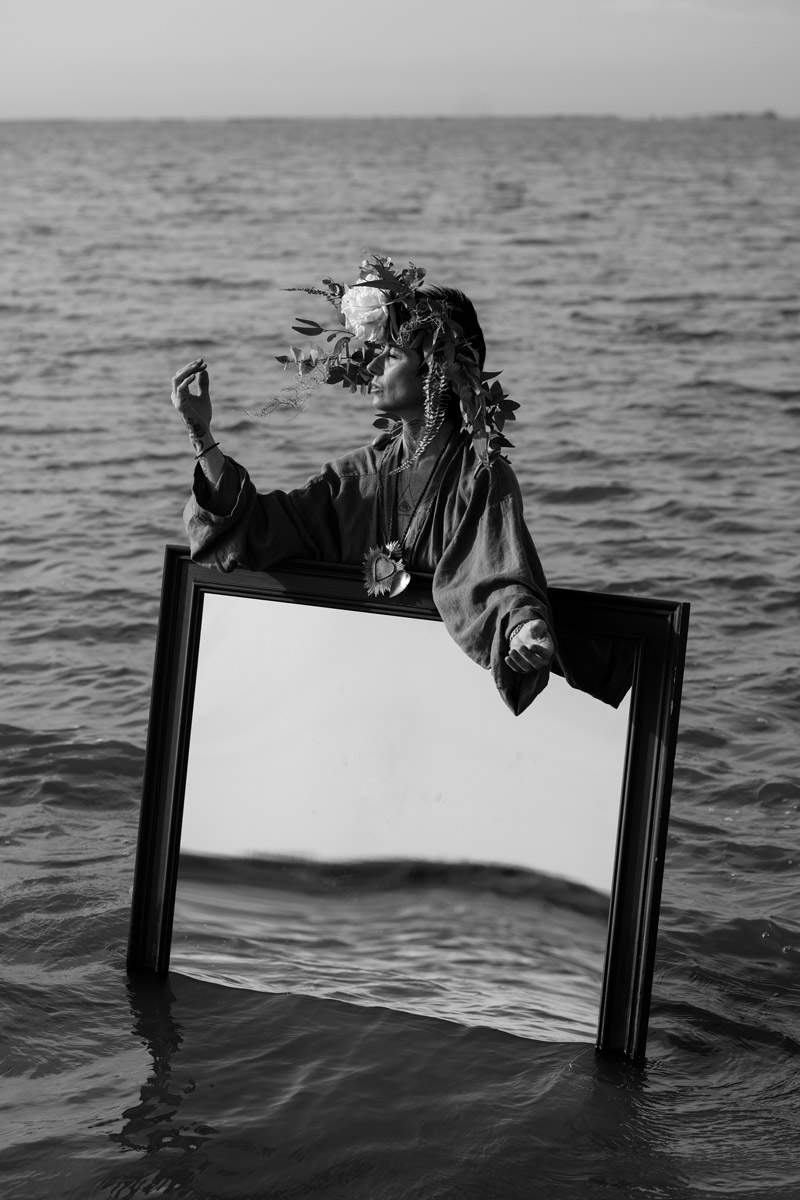
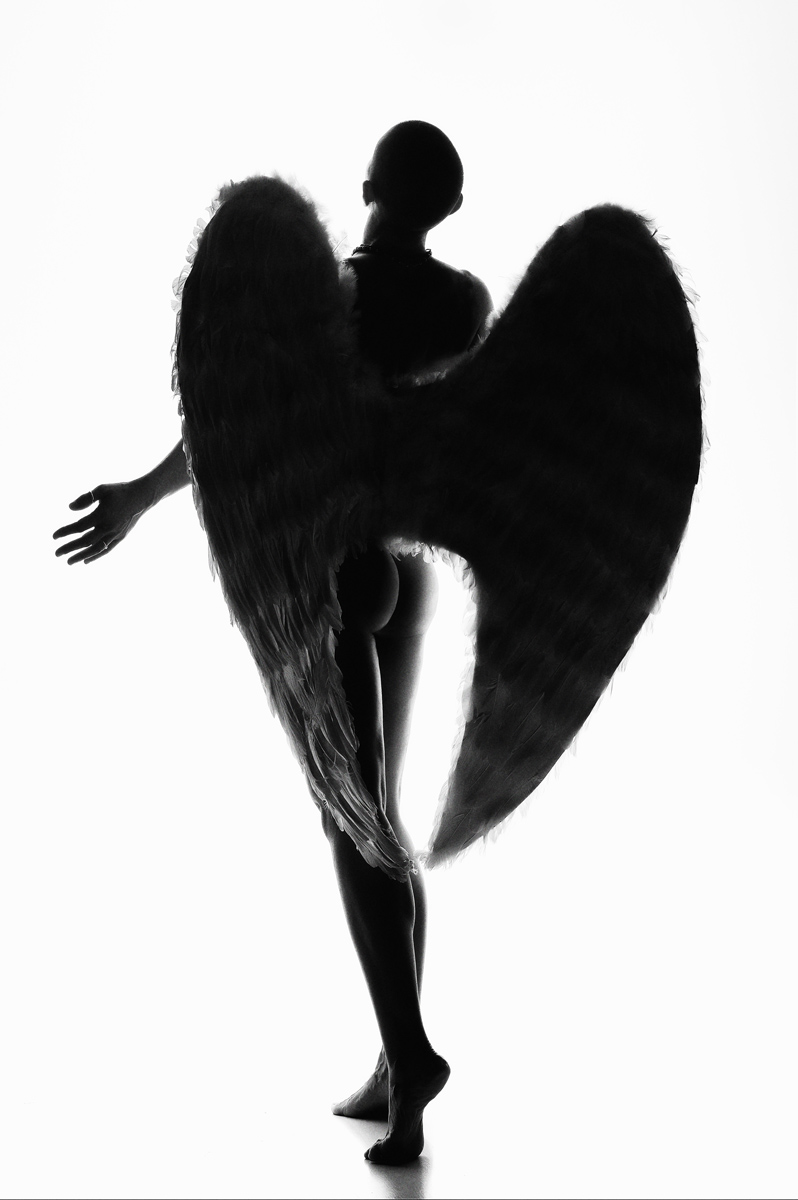
Through a selection of over forty black and white works, Barbara offered a unique visual journey, exploring bodies, landscapes and horizons. Each shot is a dialogue between dream and reality, a profound reflection on the aesthetics and spirituality that define her artistic sensibility.
Here is the original text of the introductory review by Massimiliano Sabbion, which accompanies the exhibition:
“Seas, bright skies, landscapes are the frame in which the portrayed female figure marks the study of herself between the purest research that is expressed in aesthetic beauty fused with the most instinctive and spiritual part released in each shot investigated and desired by its author.”
For more details, you can consult the official press release and the section dedicated to the event on the artist’s personal website, available here.
The photographic image is an open window into the real world filtered and captured by the eye of an artist, whoever takes the shot freezes the moment between dream and reality.
The eye fixes time, air, objects and bodies that, between light and shadow, reveal the most sensitive part of those who see through the soul of things.
Why does man always feel the need to freeze the moment in which he lives? What is the daily and sometimes obsessive need in wanting to transfer the visual image of the moment? Perhaps the answer lies precisely in photography that freezes the moment, almost a sort of revenge against time to make sure you have captured the last breath of that moment. The immersive nature in Barbara Pigazzi’s photographs arrives at a conversation with the man who soaks up the landscapes, the sea, the bright skies or in dark corners curled up and self-protected to search for the essence of himself, a silent dialogue that passes between the soul of the person portrayed and the spirit of Nature itself. What is the portrait? Why is it that our vision is never true and sincere if not through the external eye of someone who provides a detailed representation of our self? The description of a person is interpreted according to the taste and characteristics of contemporary art and the artist, we move from naturalism to psychological investigation at times expressionist and the characteristics of the individual are externalized going beyond the external appearance. Only a photographer with his sensitivity can return a portrait, total or partial and barely hinted at, in a shot that stops material and immaterial and, precisely, dream and reality.
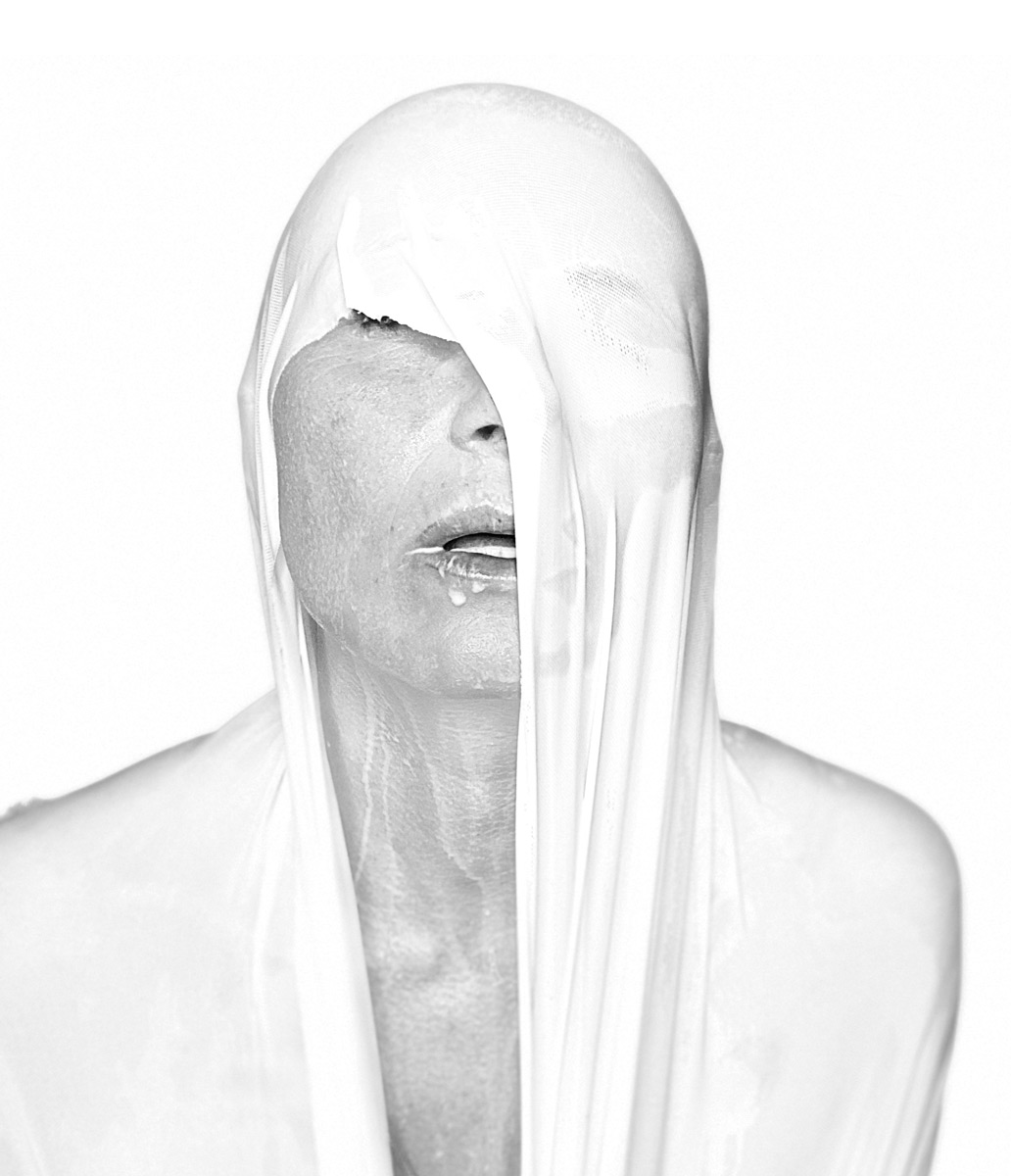
In Barbara Pigazzi’s works we find the elegance of a world returned with all the nuances of black and white, of grays that caress the skin, of lights that savor and reveal impetuous seas and infinite horizon lines, of shadows that hide and protect. The artist’s gaze is in capturing and orchestrating the noises of chaos and the silences of emptiness: the vibration of an unrepeatable and unique moment is returned to the eyes of the spectator.
The poetry of the portrayed bodies breaks in all its strength and delicacy, from which emerges the artist’s love for the study of Caravaggio’s light, of Elliott Erwitt’s landscapes and horizon lines, of Robert Mapplethorpe’s grazed and energetic nudes, of Francesca Woodman’s poetic vulnerability, up to the lens and eye of Barbara Pigazzi who transforms the light, the air, the bodies and the environment in a shot that reveals an overwhelming energy and a latent fragility expressed with poetry and soul.
“See you tomorrow and the day after tomorrow and the other day and tonight” says Alain Delon (Piero) to Monica Vitti (Vittoria) in the film L’eclisse (1962) by Michelangelo Antonioni, while in the silence the natural light goes out and that of a street lamp instead lights up with spaces filled with voids and communications made with glances, with absences and with few words. Only the images remain that, without time, rediscover the aesthetics of beauty that freezes between shadows and lights, without chaos.
It is a film much loved by the artist that returns as a source of inspiration for those silences that can be felt in his photographs, in the light, in the dark part that reveals the infinite lightness of being.
Barbara Pigazzi’s journey in “Eterea” is expressed in the purest beauty in which not only aesthetic enjoyment is sought, but the fusion of the most spiritual and instinctive part released in every shot so investigated, loved and desired.
Massimiliano Sabbion

The body becomes the subject of analysis and research that creates emotions and will be the basis on which the imagination and beyond of one’s life is based.
Barbara’s directive choice is the use of her images of Human Nature, but also intimate and conceptual as she herself defines:
“A PHOTOGRAPH MADE OF SMELLS, THE SMELL OF WHAT WE ARE”
Her aim is to evoke the highest states of the human soul with all its disturbances, with all its truths.
HIS IS A CONTINUOUS RESEARCH THROUGH ART.
She collaborates today with art galleries, architects, designers, stylists who wish to have a unique and irreverent aspect to their reality.
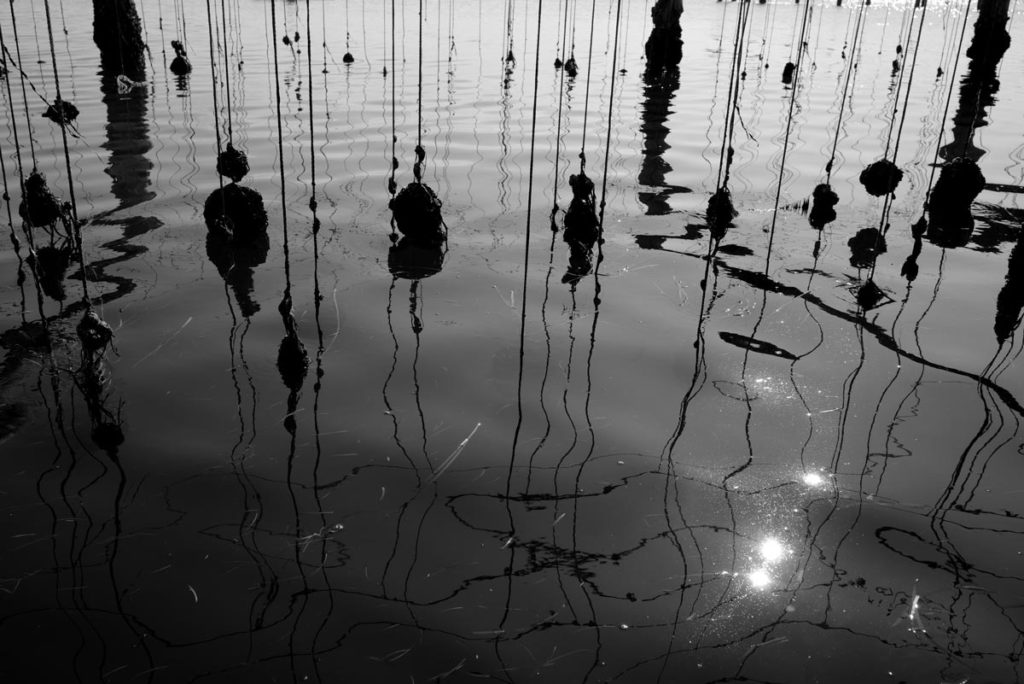
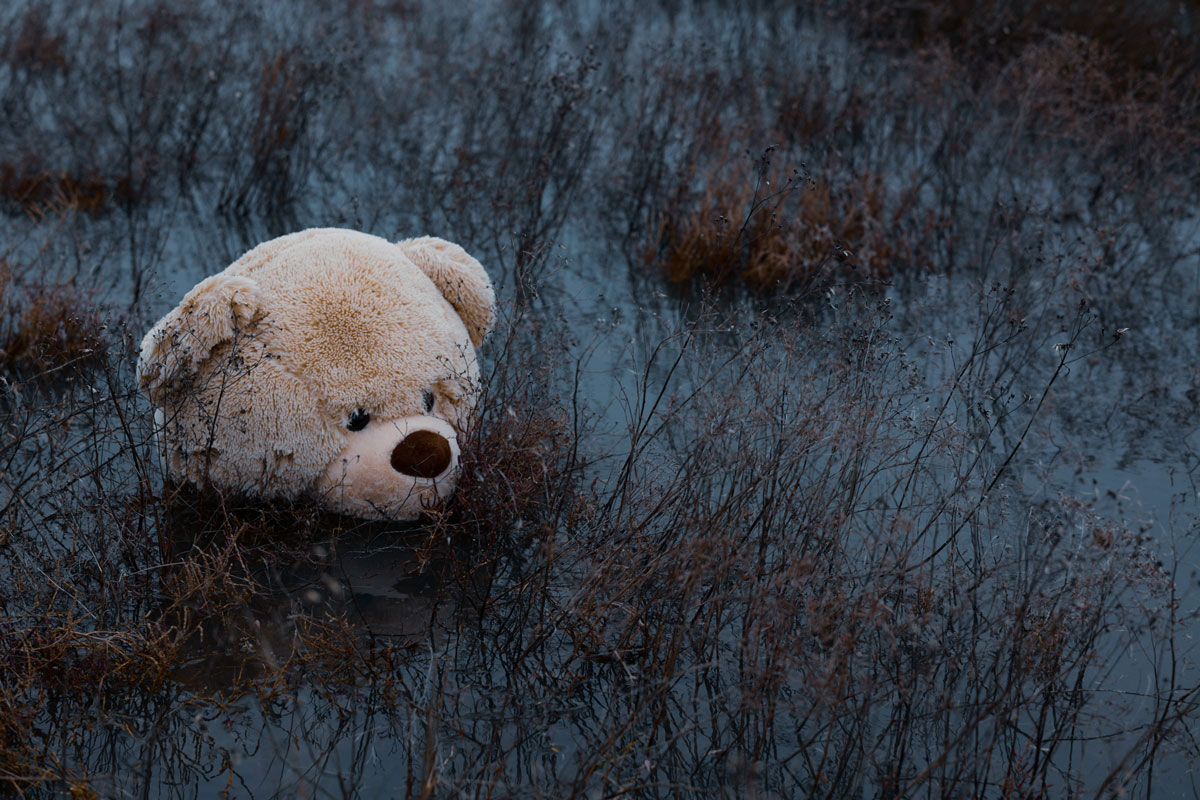
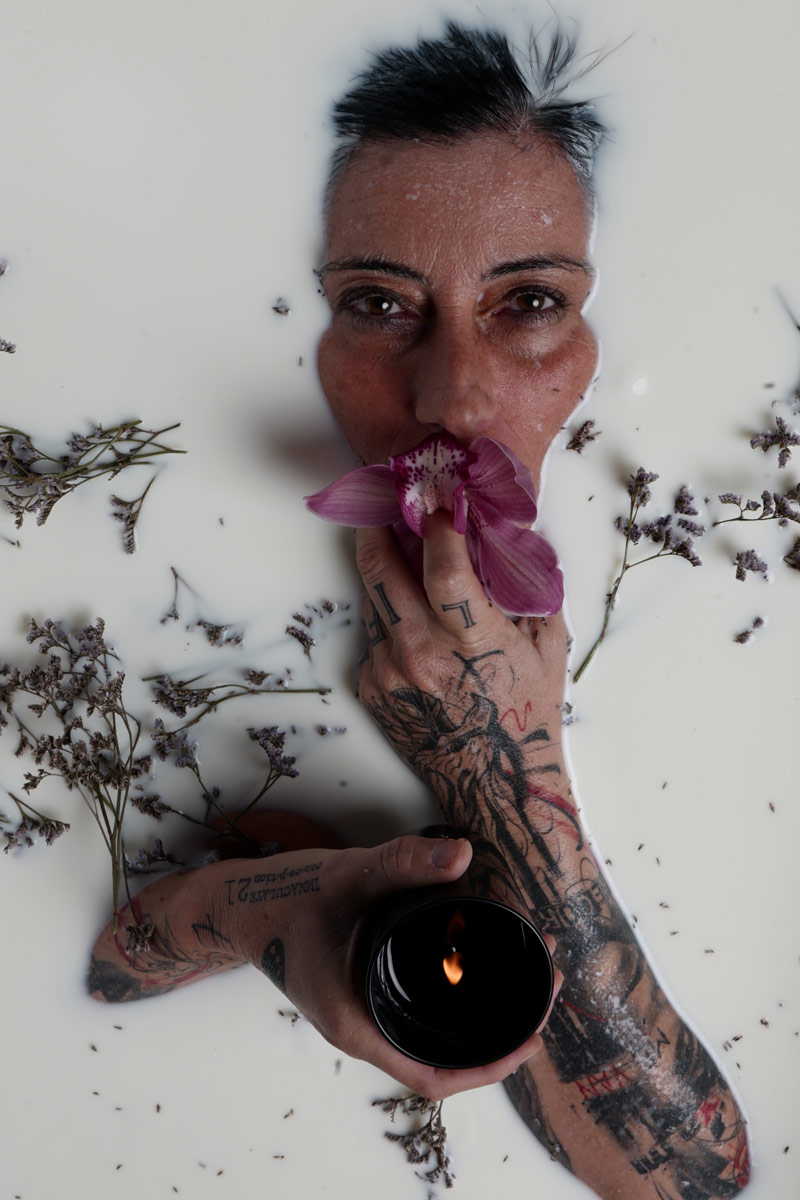
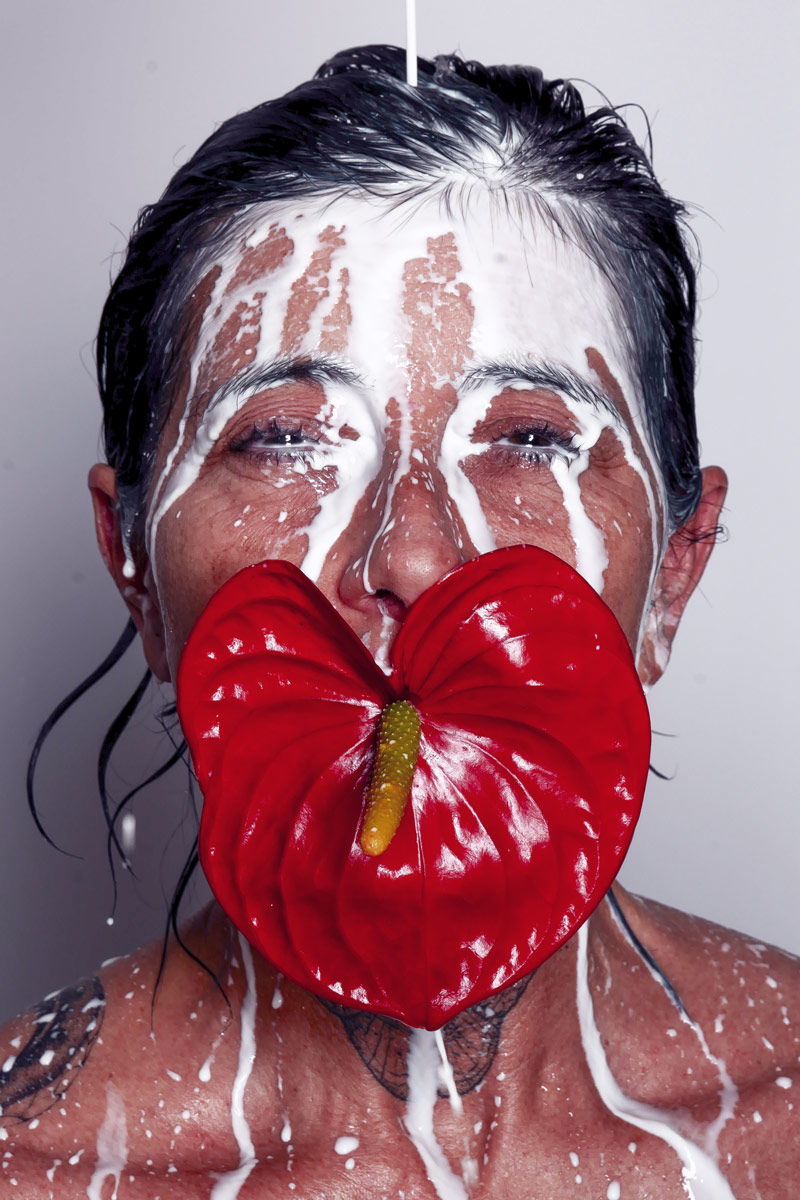
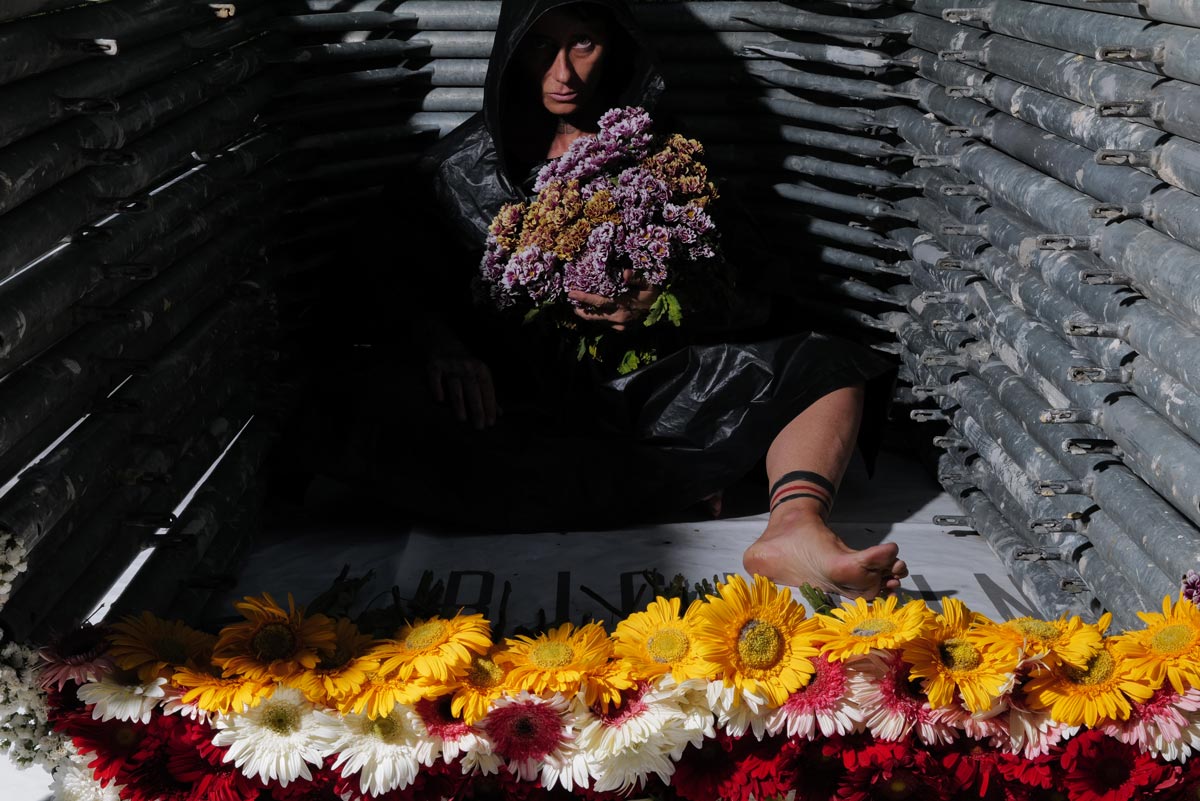
Animica Art – Series Venice Lagoon – by Barbara Pigazzi Photographer
Based on the film Stalker 1979 by director Andrej Tarkovsky
“Weakness is power, and strength is nothing. When man is born he is weak and ductile, when he dies he is strong and rigid, just like the tree: while he grows he is tender and flexible, and when he is hard and dry, he dies. Rigidity and strength are companions of death, weakness and flexibility express the freshness of existence.”
The purest expression of art through Barbara Pigazzi’s photographic performances
For years I have supported the importance of photography as a therapeutic art, acceptance of the self, through honest, sincere, unique and precious portraits.
For the last 3 years I have experienced being; from this experience I decided to publish Animica.
I worked for a year in close contact with the psychologist and criminologist Dr. Alessia Frasson on the “therapeutic portrait” project, involving patients in a unique moment consisting of listening through the language of photography.
Language, understood as artistic symbolic language and as verbal and non-verbal a la memory, because while listening our ego fluctuates between there and then, and here and now, bringing to mind experiential, sensorial and perceptive memories , and then stabilize and balance precisely in the here and now of the present moment.
It is in that precise moment that I shoot, crystallizing presence and listening in the photograph, be it of a place or a person.
The result is a portrait aware of the deeper meaning of being in the here and now.
You cannot copy content of this page
Fill in all the fields, send the request and wait to be contacted by our staff for confirmation.